Description
Gastroenterology and hepatology
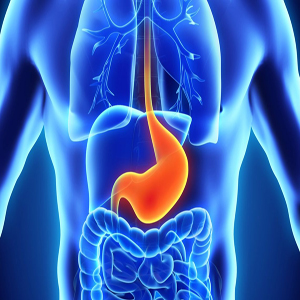
Gastroenterology Department; It is a unit where the normal function and diseases of the esophagus, stomach, small intestine, colon and rectum, pancreas, gall bladder, bile ducts and liver are examined.
Atlas University Medical Faculty Medicine Hospital Gastroenterology Department offers diagnosis and treatment services by taking advantage of the opportunities provided by modern technological devices as well as by specialist doctors and related health personnel.
The main symptoms of gastroenterology diseases are burning in the stomach, souring, bitter water in the mouth, abdominal pain, burning in the middle of the rib cage, nausea, vomiting, cough that does not pass in the form of annoying, feeling discomfort when consuming certain foods, diarrhea, constipation, bleeding from the mouth, rectal blood, bowel movements by force, change in bowel habits, yellowing of the skin color and the whites of the eyes, itching, and sometimes weakness and weight loss.
Our expert doctor staff in the field; dyspepsia (indigestion), abdominal pain, constipation, diarrhea, nausea-vomiting, reflux, stomach complaints (often burning sensation in the stomach; gastritis etc.), stomach and duodenal ulcers, stomach and intestinal bleeding, inflammatory bowel diseases (ulcerative colitis , Crohn’s disease, etc.), polyps in the digestive system (colon, stomach, etc.), liver and biliary tract diseases (hepatitis, jaundice, cirrhosis, bile duct stones), food allergies and food sensitivity (celiac disease, lactose intolerance, etc.), It serves in the diagnosis and treatment of pancreatic diseases and gastrointestinal system cancers (esophagus, stomach, intestine, liver, biliary tract and pancreatic cancers) and other digestive system related complaints and diseases.
Column polyps
Polyps are pieces of meat that develop as a result of the abnormal growth of the layer (mucosa) covering the surface of the large intestine and grow into the intestinal tract. In Western society, their frequency increases after the age of 50, and in people over 60 years of age, its frequency reaches 30%. Today, it is accepted that 95% of colon cancers consist of colon polyps. Colon cancers are the third most common cancers in Western societies and the second among cancers that cause death.
Cancerization is seen in adenomatous polyps. Subgroups of these are tubular adenoma, tubulovillous adenoma and villous adenoma. It takes 8-10 years for a poly to become cancerous. While the risk of cancer in a single polyp is 8%, in the presence of 10 polyps, this risk increases to 37%. As the diameter of the polybin increases, the risk of cancer also increases. For example; According to the pathological type, this ratio is between 35-47% in polyps exceeding 2 cm in length. Since polyps are cancerous structures, removal without cancer protects the person from bowel cancer.
What are the symptoms of polypes?
Generally, there are no symptoms and polyps are found during examination of the large intestine with a colored film (contrast-enhanced colon radiography) or colonoscopy. Some polyps may have discharge and rectal bleeding. Regarding obstruction of the intestine in very large polyps; There may be complaints such as constipation and swelling in the abdomen.
In villous adenomas; Diarrhea and related potassium loss, resulting in weakness and heart rhythm problems may occur. Sometimes polyps bleed gradually for a long time. Polyps can be detected in colonoscopy while investigating the cause of anemia that develops in the person without visible bleeding.
Diagnosis
A positive result may suggest the presence of polyp as a result of examining hidden blood in the stool, but a negative result does not mean that there is no polyp. The presence of polyps can be detected by contrast-enhanced colon radiography and virtual colonoscopy. However, polyps detected in these methods cannot be intervened.
In the sigmoidoscopy or colonoscopy procedure, the doctor directly sees the inside of the intestine on a television-like screen with a flexible tube with a camera at the end. The first 60 cm is observed in the sigmoidoscopy procedure. In the colonoscopy procedure, the entire large intestine and the last part of the small intestine are seen. In these procedures, the patient is given painkillers and sedatives to ensure that the person does not feel discomfort during the procedure.
Today, colonoscopy is recommended for people over 50 years of age to prevent colon cancer. If no polyp is detected in the first procedures (sigmoidoscopy or colonoscopy) and there is no special complaint, it is sufficient to repeat these procedures every 5 years.
Polyps detected in colonoscopy can be completely removed by burning them with devices connected to the cautery that is advanced in a colonoscope device called hot biopsy or snare. The polyps removed are examined in pathology and the patient’s follow-up frequency is determined according to their subgroup.
If polyp is detected in sigmoidoscopy, colonoscopy should be performed to see other parts of the intestine. It is wrong to use carcinoembryonic antigen (CEA) for screening purposes in patients with cancer diagnosis. The diagnostic value of fecal genetic tests in polyps and cancer is uncertain, and today they are not recommended alone for screening and diagnosis.
Who is specially recommended for colonoscopy?
It is recommended as a screening test for people over 50 years old. This age limit may be 40 for those with a first degree relative with colon cancer / polyp.
Those with a history of colon cancer,
Those with a history of colon polyps,
Ulcerative Colitis and Crohn’s disease (risk increases in those who are sick for more than 8 years),
Those with breast, ovarian and uterine cancer,
Those with unexplained abdominal pain,
Those who have a change in defecation habits,
People with unexplained iron deficiency,
Rectal bleeding that is not thought to be due to hemorrhoids, even under the age of 50.