Description
Neonatal intensive care (neonatology)
In
Kolan Hospital Group Intensive Care Unit, the latest technological devices are
used in the diagnosis, follow-up, treatment and support stages, all kinds of
situations can be intervened, and patients are kept under observation by
specialist doctors for 24 hours.
Kolan Hospital Group Intensive Care Departments serve
in 4 separate units as general (adult), neonatal, coronary and Cardiovascular Surgery
(KVC) intensive care units.
Neonatal Intensive Care
A 24-hour uninterrupted service is provided for infants in need of
intensive care with an experienced nurse staff under the management of a
neonatology specialist. The neonatal intensive care unit provides advanced
care for high-risk babies such as preterm birth, multiple pregnancy and
pediatric surgery cases starting from the 22nd gestational week. The
Newborn Intensive Care Unit provides health services not only to babies born in
our hospitals, but also to all babies in need of intensive care.
In the Neonatal Intensive
Care Unit
Premature
babies
Low
birth weight babies
Babies
with temporary respiratory distress
Babies
of mothers with diabetes
Babies
who swallow meconium (baby’s first stool) in the womb
Babies
born with difficult birth
Babies
with brain and other organ damage during birth are followed up and treated.
Treatments performed in the Neonatal Intensive Care Unit;
1. 2. 3. Level Neonatal and Premature Intensive Care
In the Neonatal Intensive Care Unit, it provides the necessary support to all
newborns with risky and serious diseases. Services are provided by
Neonatology and Pediatrics specialists and nurses specially trained in the
field.
In addition to the babies under follow-up in the Newborn Unit, newborns born in
other centers and transferred to our hospitals are also treated.
The Newborn Unit has been organized in accordance with the international and
Ministry of Health criteria, under the responsibility of a Specialist
Neonatologist (Newborn Specialist), to care for 3 patients at any time of the
day.
As current technological products in the Newborn Unit; There are 31
incubators (baby beds), 15 ventilators (breathing apparatus), 1 transport incubator
with ventilator, 31 monitors (screen where the vital functions of babies are
monitored), 10 phototherapy (jaundice treatment device), and injectomat and
infusion pumps used to deliver drugs and serum.
Neonatal Intensive Care Unit provides advanced level of care to high-risk
babies with high risk such as preterm birth, multiple pregnancy, baby of
mothers with diabetes, baby who swallowed meconium in the womb, brain and other
organ damage caused by difficult birth.
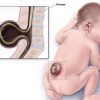
Brain surgery operations such as eye examinations (ROP), pediatric surgery,
meningomyelocele (waist opening) and hydrocephalus (accumulation of water in
the head) are performed in babies with surgical problems of the newborn’s
esophagus – bowel obstruction or occlusion (atresia), Special intensive care
follow-up and treatments are provided.
In addition, when babies have cardiac problems, Pediatric Cardiologist performs
ECHO and examination in the incubator, and their treatment is directed. When
necessary, head and kidney ultrasounds of babies are performed in the incubator
by our expert radiologist.
Ventilator Treatment of Babies
Since the lungs of newborns and especially premature babies are not yet mature,
especially babies with respiratory distress are treated with a ventilator
(respiratory device). Our hospital has state-of-the-art ventilator devices
and their use and follow-up are carried out by experienced neonatal doctors and
nurses.
Follow-up of Perinatal Infections
The infection rate can never be zero in intensive care units. However,
with very strict measures, this rate can be reduced considerably. In our
service, premature babies are tried to be followed up with minimally invasive
methods and nasal CAPP instead of intubation. unnecessary and long-term
antibiotic treatment is performed. Total presantral nutrician fluids of
babies who need to be fed intravenously are prepared by biologists in negative
pressure special TPN units. In addition to the control at the entrance and
exit of our unit; In line with the directives and recommendations of the
Hospital Infection Control Committee; Hospital infection is kept at the
lowest level by not touching babies unnecessarily, by using hand cleaning and
hand disinfectants when touched, and also by using clean materials.
Premature Nutrition
Feeding the premature baby with breast milk is the most important and
life-saving approach. In extremely preterm babies, besides other problems,
feeding problems may also occur. In these babies, nutritional problems are
mainly caused by the growth retardation of the gastrointestinal system, and
many reasons such as the shortage of enzymes involved in digestion and
insufficiency of bowel movements.
A term baby can suck and swallow right after birth. However, sucking
reflex does not start before the 23rd week in premature babies, and it develops
in a coordinated manner with swallowing at the 34th gestational week. Swallowing
develops earlier than sucking, but a coordinated swallowing is later than the
development of the sucking reflex.
For these reasons, especially babies born before the 34th gestational week are
fed with a proboscis (catheter), which we mostly release from the mouth. We
provide the nutrition process as soon as possible and primarily with breast
milk.
Treatment of Neonatal Jaundice
Jaundice can be dangerous in any newborn baby. In newborn services, the
risks of each newborn baby in terms of jaundice are investigated and the
necessary treatments are applied. Jaundice is the staining of the skin and
the white parts of the eyes as a result of the increase in the yellow substance
called bilirubin in the body. With the increase in the level of bilirubin
in the blood, the body is gradually painted from head to toe. In severe
jaundice, bilirubin passes to the brain and may cause irreversible symptoms
(such as cerebral palsy, deafness) that we call kernicterus.
Normal jaundice limits may differ between babies. How many hours the baby
is after birth, birth week, weight, feeding style are taken into consideration. In
order for the jaundice not to increase, the baby should be fed well, and should
have plenty of stools and urine. Whether the mother and the baby’s blood
group incompatibility is also an important factor.
All newborn babies should start breastfeeding as soon as possible. It is
necessary to give breast milk frequently to prevent the increase in jaundice. The
baby should not be put to sleep for more than 4 hours, if supplements are
required, sugared water should not be used, and a formula deemed appropriate by
the doctor should be given.
The treatment of jaundice is easy and possible. Phototherapy (light
therapy) is the most commonly used treatment. The baby’s eye is taped so
that the light does not harm the eye. In rare cases, mostly in cases where
there is blood incompatibility between the mother and the baby (intravenous
immunoglobulin is given), jaundice can be treated by exchange of blood.