Description
Anesthesia and Reanimation
Anesthesia is to prevent the person from feeling pain with the help of various medications for a painless and safe operation. Anesthesia both prevents the person from feeling pain during the surgery and creates an environment where the surgeon performing the surgery can work properly. Today, with modern anesthesia techniques, patients can be operated comfortably with little risk. Anesthesia is given by the anesthesiologist.
What is pre-anesthesia evaluation?
The anesthesiologist meets the patient and makes evaluations about the patient’s health status. This evaluation covers the following headings:
The general health status of the patient, information about the diseases, if any.
Allergy condition, drug allergies.
Medication use.
Information about previous surgeries, surgical method and anesthesia technique used during these surgeries.
The current state of health is very important for the safety of the operation and the patient. If necessary, pre-operative diseases are reviewed, it is discussed whether they are an obstacle to the surgery, and the treatments are rearranged.
If the person has a known allergy, this should be reported to the anesthesiologist. Knowing especially drug allergies prevents the use of these drugs during surgery and problems that may develop due to a possible allergy.
Some drugs that are being used may cause unwanted situations by causing bleeding or interacting with the drugs used in anesthesia. For this reason, it is important to know these types of drugs used and to stop them under the control of the anesthesiologist before the surgery if necessary. Previous surgery and anesthesia experience should also be known and be prepared for the risk of recurrence of the difficulties encountered before.
What is in the anesthesia room?
The following tools and equipment are available in the section reserved for anesthesia in the operating room;
Anesthesia machine
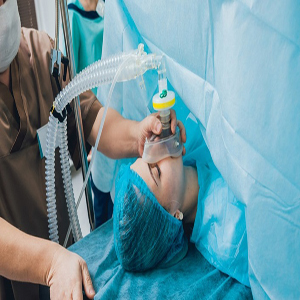
Drugs that stop the patient’s consciousness and breathing are used in order to give anesthesia. After the patient loses consciousness and respiration, the patient is artificially inhaled with an anesthesia machine to maintain vital functions. With the help of this machine, oxygen and sleeper gases are given to the patient to ensure the continuation of anesthesia. A tube is placed into the trachea from the patient’s mouth to provide breathing. This event is called intubation .
Medicines
Various medications are given to the patient to provide anesthesia. These drugs enter the circulation through a tapped needle inserted into one of the patient’s veins. With these drugs, the patient loses consciousness, the sensation of pain is eliminated, and the abdominal muscles are relaxed so that the surgery can be performed comfortably.
What are the anesthesia methods?
Anesthesiology methods; It consists of general anesthesia, spinal anesthesia, epidural anesthesia, nerve block anesthesia and local anesthesia. The anesthesia method to be chosen is determined according to the general health status of the patient, the presence of accompanying diseases, and the place of surgery. For example, if general anesthesia is inconvenient and a knee surgery is to be performed in a patient with lung disease, this can be done with spinal anesthesia provided by the numbness of the lower back.
Ways to make general anesthesia more reliable
1. Pre-operative examination: The patient must be examined and questioned by the anesthesiologist before the operation. Concomitant heart, lung and systemic diseases should be investigated in the examination. Whether the patient necessarily drinks daily medication, the presence of drug allergy, whether he has received general anesthesia before, and if he has previously received general anesthesia, the history related to this should be questioned carefully.
2. Quitting smoking Smoking is shown as the cause of postoperative respiratory problems. When the patient quits smoking, it takes between 1 week and 6 months for the recovery in the lungs to be fully seen.
3. Obesity Postoperative problems are more common in obese people.
4. Empty Stomach Although it varies according to age, it is necessary to have at least 6 hours of fasting before general anesthesia for adult patients. Because problems such as vomiting due to satiety and leakage of stomach contents to the lungs can cause very important problems during and after anesthesia. Therefore, the patient should carefully follow what the anesthesiologist says about fasting for non-emergency surgeries.